Speaking is a Sport: Train with Us.



areas of focus
Train your team to communicate with clarity, structure, and control in meetings, presentations, and critical conversations.
Executive Presence 1.0
Spoken communication is a physical art. We often hear or say the phrase, “I could have said that better.” However, being at a loss for words during communication opportunities has more to do with what your breath and body are doing than what your mind is (or is not) thinking. We start this program learning foundational ideas on how to improve the impression you make, both in terms of content (what you say) and delivery (how you say it).
Executive Presence 2.0
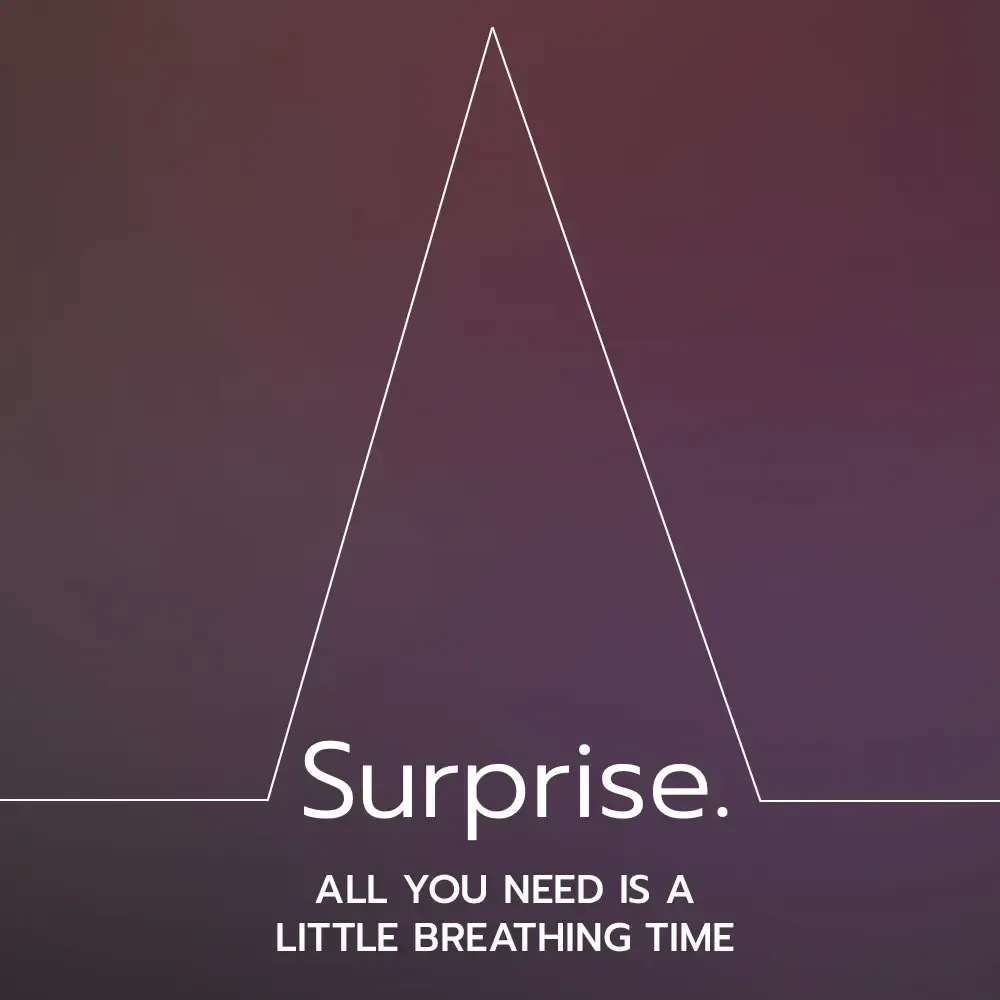
Building on the foundational skills of Executive Presence 1.0, this program shifts the focus to both content and impromptu speaking.
Participants learn a straightforward system for creating structured and dynamic content, a step-by-step approach to asking/answering questions, a sequence of “Breathing Time Techniques” to learn how to buy themselves time without denting their credibility when impromptu speaking, and more.
Women's Executive Presence
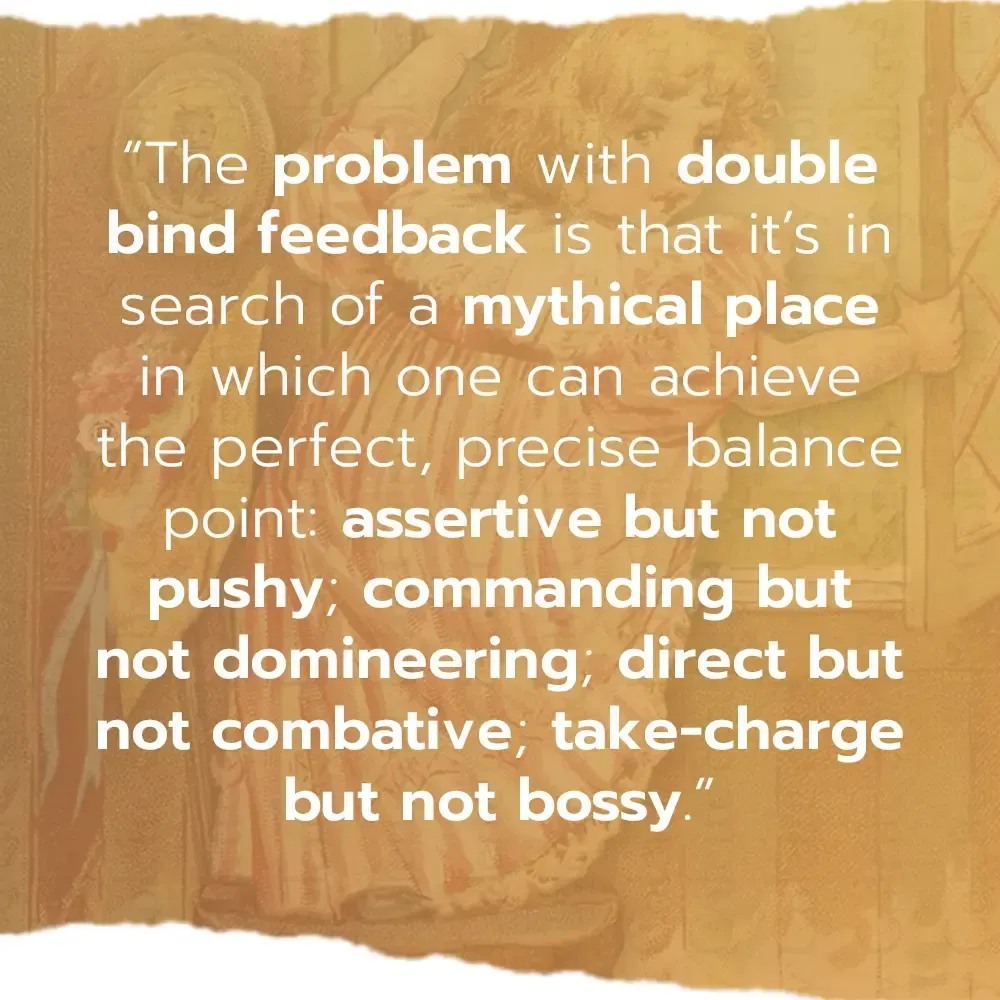
Is communications training different for women? Should it be? Much is the same for both women and men when it comes to communicating in the workplace, and yet, it’s hard to ignore how differently they can be subsequently judged – overtly or not. Try asking a room full of women if they’ve ever been told to “speak up” and are then admonished for being “too aggressive” when they do. Most will answer they’ve encountered this very paradox. This phenomenon has a name – the Double Bind – coined in the 1950s. When women attempt to adopt what they believe are qualities that their male counterparts use in the workplace, they’re often criticized or even punished. In this program, participants get techniques to adjust or eliminate the five most limiting behaviors in our ten years of coaching female executives: monotone, rambling, up-speak or vocal fry, speaking too fast, and having a “small” physical presence. Participants will also learn how to decipher feedback and make it more behavioral and actionable.
Building Better Decks
No one likes to read lots of text on slides: it’s not only visually unappealing, but it also distracts from the actual presentation. With too much text on slides, the audience is confronted with a visual overload. How, therefore, do you minimize text and maximize visual impact? In this program participants learn the principles behind effective visual vocabulary and design. They are lead through an examination of text overload (how much is too much? how small is too small?), visual element cohesion, repetiton, structure and more. Participants learn design exercises featuring post-it notes to physically manipulate ideas and build their deck slide by slide and create a deck through a process that starts with ideation, then structure, and ends with choosing the appropriate words.
Authenticity in the Age of AI
Large Language Models and AI have made world-class content available to anyone, anywhere at any time. Being a “subject matter expert” has never been easier. But what makes the difference if everyone has access to the Best Words Ever Spoken? How you say those words – all the alchemy that makes up what we call Delivery – matters even more. In this interactive program, we examine: how AI has changed (and is changing) spoken communications; how to leverage AI for scripts and speaking in positive ways that unlock efficiency and creativity without eroding your intellect; what human vs. robot communication looks like; how to access and embody your own humanity and idiosyncrasy in communications; and even take a peek at what’s to come…

Presentation Skills
This program has one essential goal: to teach participants concrete, effective, and reliable techniques to present more effectively, regardless of the circumstances. We share GK’s writing methodology as it relates to building clear and compelling slide decks, unexpected truths and falsehoods about presence and presenting, kinesthetic drills to address common problem areas (filler language, rambling, etc.), and best practices to set yourself up for success for any presentation.
Conversational Agility
Coming across expertly on content and subject matter you’ve rigorously prepared is one thing — but what about all the things you can’t predict nor necessarily prepare for: interruptions, technology issues, challengers & hecklers, or just your garden variety “what if they ask me a question I don’t know the answer to?” In this program, participants explore the subject of conversational agility: what it is, how it works, and why it can unlock better performance and even save time. Participants learn GK Training’s five types of intentional questions, breathing time techniques to gain control, transparency tools to embrace mistakes and mishaps, and more. At the end of the program, participants get access to GK Training’s interactive practice app Question Roulette, so they can use their newly acquired conversational agility skills instantly, but in a zero-consequence environment.

Navigating Nerves
Don’t be nervous. Don’t be nervous. Don’t be nervous. Don’t be nervous. If you’ve ever wondered why that command doesn’t work, the answer is thought suppression. Participants in this program learn actual strategies to end the lifetime trap of being in opposition to their nerves and instead learn how to navigate the myriad communication situations of their life while nervous. We explore physical and vocal preparation tools to prime the body for success, the difference between uni-focus and multi-focus, kinesthetic tools to master skills like pausing and stillness, the behaviors of confidence, and strategies for how to recover and course-correct when things go wrong. If every piece of advice under the sun including “imagine your audience in their underwear” has failed to help you handle your nerves, this is the program for you.

Cocktail Conversations
In this interactive session focused on networking, we explore having better cocktail conversations as a skill that can be cultivated. Like any other professional development area, networking can be improved, and this session offers the “how.” We will examine fixed versus growth mindset, networking theory focused on weak and strong bonds (and the importance of both), a specific conversational tool called Question Awareness and Agility that fosters better question asking, a dialogue-based model for creating elevator pitches that are discussions not lectures, and content tools for more vivid material so what you say is memorable. Learn to leave events having accomplished what you went there to do – expand your network, build business…and have a little fun.
Selling
We start this program by exploring the GRACIOUS model, which is a clear roadmap for other-focused, persuasive sales conversations. The model covers concepts like: fostering personal relationships, how and when to “pitch,” and what needs to happen in order to seal the deal. Participants will also learn a simple, non-“salesy” idea for how to frame sales conversations that takes the pressure off of a potential lead but doesn’t let them off the hook. We’ll also go over a precise methodology for overcoming objections and navigating difficult conversations in four simple stages, while also eliminating defensiveness. Finally, no sales program would be complete without learning the 5 essential types of questions and how to use them effectively, how good questions go bad, and how to ask questions with linguistic precision.
The Art of Better Questions
What makes a conversation a dialogue and not a monologue? Question awareness and agility. In this program, participants learn the essential types of questions and how and when to deploy them. We highlight each question type’s definition and purpose and address common pitfalls – like phrasing questions in the negative or rapid-firing multiple consecutive questions. Participants learn how to ask questions with linguistic precision and then tolerate relaxed silence at the end of questions – a skill that sounds deceptively easy. Participants also learn to use questions to: cold call with intention; create a sense of comfort and safety; and narrow the field of responses for negotiation or sales situations.

Effective Email: Fewer, Faster, Better
The mantra of this course is fewer, better, faster emails, and it teaches exactly that. We share a three-step process that starts with generating ideas, then moves on to creating a structure, and only then setting about actually choosing words and crafting a message. Each participant spends the bulk of the program actually working: learning new skills and applying them right away to a real-world email task. At the end of the session, participants will have a polished email completed.
Storytelling
In the words of novelist Doris Lessing, “The human race has been telling stories since it began.” Humans are wired to understand information when it’s embedded in stories. Participants in this program learn why they should tell stories (because they work!), when to tell stories (more often than not), and how to create stories (structure, devices, takeaways, and more). We’ll cover the importance of storytelling; the classical 5-part storytelling structure; an easier 3-part structure to create stories quickly; and innovative ways to craft stories by starting with the middle and working your way out. We’ll cover the under-utilized skill in today’s workplace of out-loud drafting (in other words, creating content out loud and on your feet – not on your computer screen). Participants will also experience a tactile way to construct their stories using post-it notes, liberating them to workshop their ideas by shifting pieces tangibly.
Effective Meeting Management
Organizations hold more than 3 billion meetings each year and 73% of meeting attendees admit to doing other work in them. Technology and the digital revolution has transformed how we work. However, our approach to meetings and our communication in them hasn’t caught up. In this program, participants will learn how to reduce the overall number of meetings, improve the caliber and effectiveness of the remaining ones, and transform their communication within them. We examine what does and does not count as a meeting, best practices and general meeting hygiene to create a strong meeting culture, and a step-by-step process to prepare for meetings in a systematic way. We also incorporate our signature kinesthetic tools throughout this program to foster concise, valuable communication for participants and efficient, actionable communication from leaders. For post-meeting needs, we created an easy-to-use flowchart that evaluates the effectiveness of meetings after the fact. The result of all of this? Better meetings throughout the year and less time spent in them.
Leadership Communication Styles
How does a good leader lead? There’s lots of advice and opinions about what defines good leadership, but in reality there’s not much consensus. GK Training takes a different route to building leadership skills by teaching reliable and repeatable behaviors to light the path to leadership. In this program, we examine leadership through the lens of four key behaviors: 1) we use our proprietary leadership style assessment to examine each participant’s leadership strengths and weaknesses; 2) we explore the five different types of questions and how to use them to lead through listening; 3) we practice how to increase clarity when delivering directions, feedback, or agendas; and 4) we learn a framework to acknowledge mistakes or challenges with transparency and a lack of defensiveness. Participants will leave this program having explored their own leadership style, the leadership style of others, and how to build bridges between the two with intention and clarity.

Facilitation Skills
Learning is a full-contact sport. When you’re the one presenting information, you’re the coach, teammate, and referee all-in-one. The most important thing to know about presenting is…you can’t simply present material with no interaction and hope your audience retains it.
You must change your perspective to actively facilitate and not just present. In this program, participants take their facilitation skills to the next level by focusing on: 1) activating a learner’s five senses, which aids in engagement and retention; 2) practicing with best-in-class sensory stimulation learning activities; and 3) creating personal and unique sensory-based exercises/tools. We’ll also cover: what defines sensory engagement in the context of facilitation and why it matters; illustrate examples of learning techniques that activate different senses; and share classic sensory-involvement exercises as a jumping off point for much broader discussions. In essence, participants experience what it’s like to involve an audience, not just talk at them.
Delivering Actionable Feedback
Feedback often fails before it ever gets delivered, if it gets delivered at all. Why? Because the feedback is undeveloped and unclear. How do you give feedback that is constructive and actionable? This program equips leaders with concrete tools to ensure the feedback they give to direct reports, teammates, and colleagues leads to improvement. We first share our four part framework for structuring feedback that is clear, concise, and specific. Armed with these tools, participants explore how to navigate the interaction itself. We then introduce an intuitive acronym-based model that encourages other-focused conversations, question agility, and handling pushback. Last but not least, we share best practices for continuing to encourage change: devising realistic action plans, building accountability, and measuring progress. Harness the power of delivering feedback effectively and unlock the potential that is essential for company growth.

Establishing Trust Early
Without trust in our institutions and the intentions of others, society can break down. Trust takes time to build and once broken is hard to restore. In a fast-moving society in which decisions need to be made early and often, establishing trust is essential. Trust isn’t a magical force; it can be built and lost. In this program, participants examine with new eyes the human behaviors that establish and grow trust such as: the power of transparency; the meaning and benefits of other-focused vs. self-focused vulnerability; the trust-building behaviors of physical and vocal expressiveness; how non-verbal mirroring and contrasting aid in establishing trust; and the power of pushback. Participants will also assess their own dominant communication style using GK Training’s proprietary assessment that maps their style to one of four memorable and evocative archetypes. Finally, participants learn how to leverage their natural strengths to build trust in people with opposite styles.

Group Training
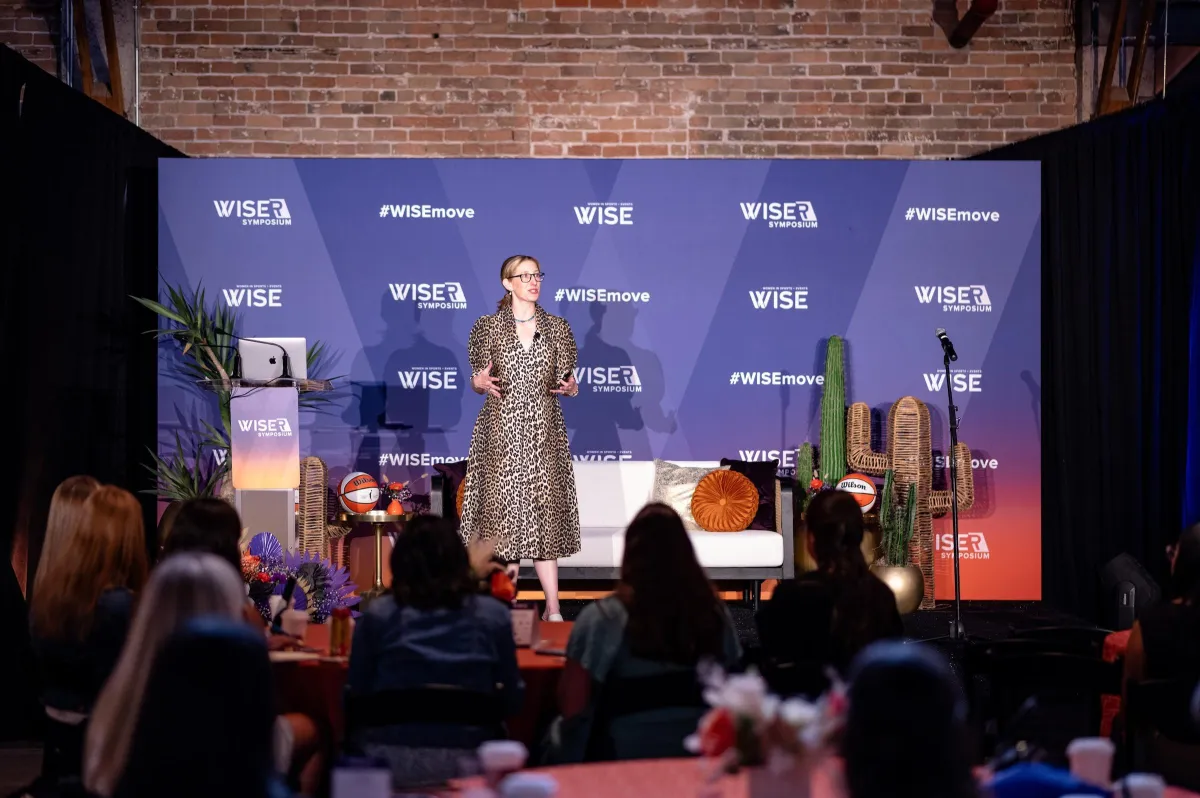
Customized training and coaching programs that help your team communicate more effectively, lead with confidence, and perform at a higher level.
Individual Coaching
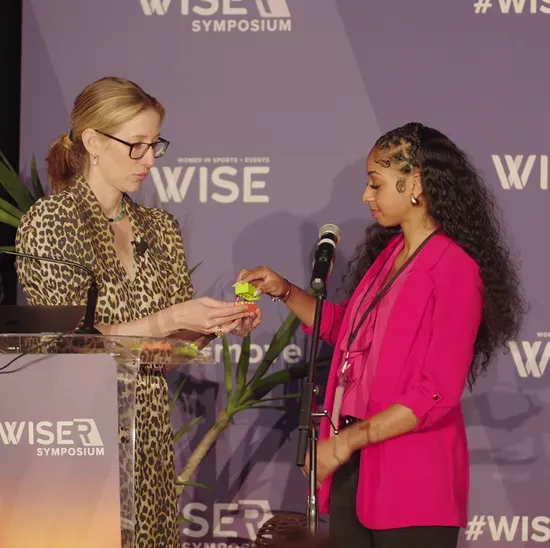
One-on-one coaching is the best way to help people create lasting improvements in how they communicate. From one-off sessions to lasting Executive Coaching engagements, GK's individual coaching can be customized for any need.
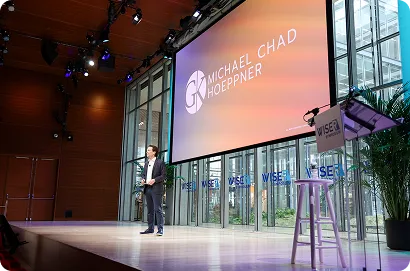
Keynotes & Events
Engaging, actionable presentations and live experiences led by GK’s expert facilitators. Perfect for conferences, off-sites, and company-wide initiatives.
Partner with Us
Looking for more than a one-off session? We work with organizations as long-term partners to build communication-driven cultures from the inside out.
Success Stories
Real stories, measurable outcomes. See how professionals and organizations transformed through GK’s coaching and training.

Words from Our Clients
Hear directly from the professionals and leaders we’ve worked with, in their own words.
Lorem ipsum
dolor sit amet,
consectetur adipiscing elit. Vestibulum nec feugiat neque. Donec aliquam iaculis velit at pharetra.
what people say after WORKiNG WITH GK
Feedback from professionals across law, finance, pharmaceuticals, tech, and the Fortune 500 who have trained with us over the last fifteen years.
The post-it drill helped me organize my ideas clearly and make sure I covered every point without skipping anything. The built-in pauses gave me time to breathe and stay calm, which made the entire presentation feel structured and under control. I received very positive feedback from everyone in the room.

After attending the GK Executive Presence Mastery program in NYC, I felt more confident in my oralist skills and thoroughly believe that in the span of two days I was able to improve greatly. Not only did GK help with the delivery and conciseness of my speech, GK also helped me improve the structure and content of it. It was a great experience that has truly changed my view on how to properly develop and deliver engaging speeches and presentations.

GK Training's Executive Presence Mastery course was one of the most practical public speaking programs I've been through. Watching people transform their speech and delivery in just two days, through sharp instruction and real-time coaching, was genuinely impressive. As a coach and facilitator who has experienced a range of programs in this space, I walked away with fresh insights and tools I'm already applying in my own interactions. Highly recommend.

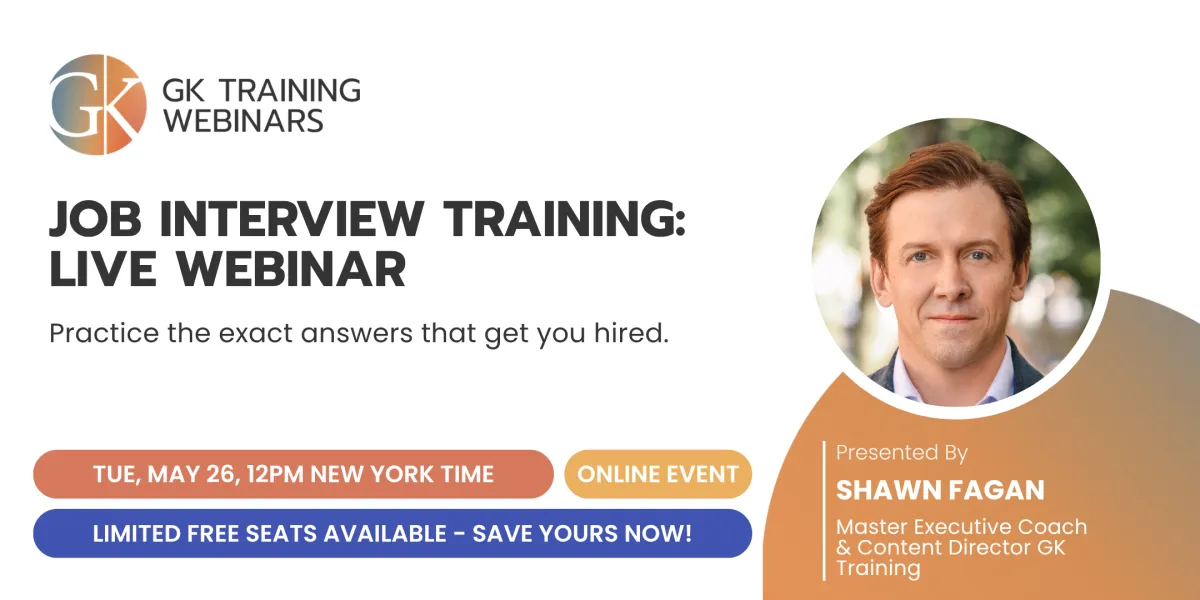
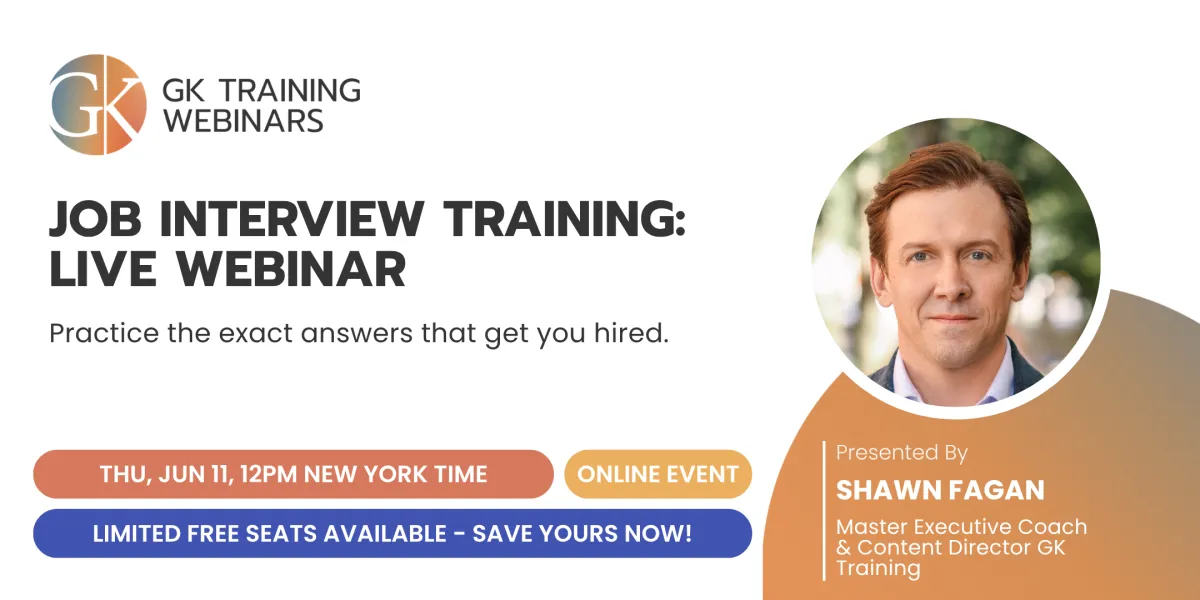
join a live webinar
See how our training works in a live session.
JOIN THE GOOD TALK
COMMUNITY
GOOD TALK is a newsletter from GK Training founder Michael Chad
Hoeppner that tackles trending topics in communication.


GK TRAINING © Copyright 2026 . All rights reserved | Privacy Policy | Terms of Use